Posted on 8/28/2026
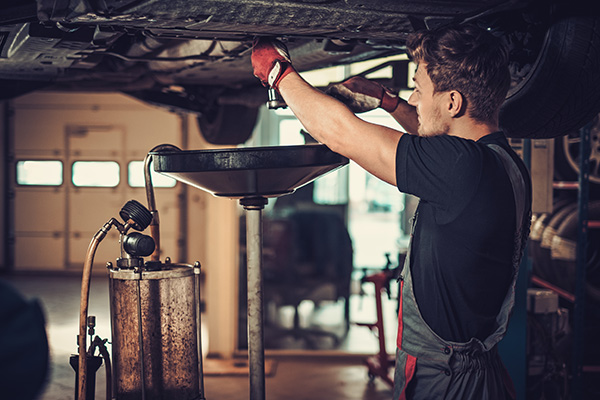
Oil changes are one of the simplest services a vehicle needs, but the correct interval is not the same for every car. Many newer vehicles can travel farther between services than older ones, especially when they use full synthetic oil. Even so, following a generic 3,000-mile rule or stretching every oil change as far as possible can both be the wrong approach. The best interval comes from the vehicle manufacturer, then gets adjusted for how the car is actually driven. Short trips, heavy traffic, towing, long periods of idling, extreme temperatures, and turbocharged engines can place additional stress on the oil. A professional oil change also allows the technician to notice developing problems while the vehicle is in the shop. Start With the Manufacturer’s Oil Change Interval Your owner’s manual or maintenance information should be the first place to look. Some vehicles call for service around 5,000 miles, while others may allow 7,500, 10,000 miles, or a ... read more
Posted on 8/26/2026

Noticing a puddle underneath your car can immediately raise concerns. While some dripping is completely normal, other automotive fluids can indicate a leak that needs professional attention. The color, consistency and location of the puddle can provide clues about what’s happening. Clear Water A small puddle of clear water is usually nothing to worry about, especially after running your air conditioner. Condensation naturally drains from the A/C system and commonly appears underneath the passenger side of the vehicle. Engine Oil Engine oil typically appears brown to black and feels slick or greasy. You may find it beneath the front or center of the engine compartment. Small oil leaks can worsen over time, and low oil levels can eventually cause serious engine dama ... read more
Posted on 8/19/2026
Finding an auto repair shop you can trust makes maintaining your vehicle much easier. You want experienced technicians who can handle everything from routine maintenance to major repairs, but you also want honest recommendations and straightforward pricing. One recent Fox Run Auto customer says that combination is exactly what keeps them coming back. “Hands down, the BEST place in New Castle County to get your car fixed!" says Jen. "From oil changes to major repairs, I wouldn’t trust anyone else with my vehicles. They’re honest, fair, and don’t try to sell you a bunch of stuff your car doesn’t need.”Service Based on What Your Car Actually Needs We appreciate those words because they reflect an important part of how we approach auto repair. When you brin ... read more
Posted on 8/12/2026
.jpg)
Whether you're hauling tools for work, loading up for a family vacation or towing a trailer, carrying extra weight changes the way your vehicle performs. While most vehicles are designed to handle passengers and cargo within their rated capacity, frequent heavy loads place additional stress on your brakes, suspension and tires. Understanding that impact can help you avoid premature wear and costly repairs. Brakes Have to Work Harder The heavier your vehicle, the more energy your braking system must absorb to bring it to a stop. This extra workload generates additional heat, causing brake pads and rotors to wear more quickly. If you regularly tow or carry heavy cargo, you may also notice longer stopping distances and reduced braking performance if your braking system isn't properly maintained. Suspension Components Experience More Stress Your ... read more
Posted on 8/5/2026

When you press the accelerator, your vehicle should continue traveling in the direction you’re steering. If it suddenly pulls or drifts to one side under acceleration, something may be affecting the tires, suspension, alignment or drivetrain. Because several issues can produce similar symptoms, a professional inspection is the best way to identify the actual cause. Wheel Alignment Problems Poor wheel alignment is a common reason a vehicle pulls to one side. Potholes, curbs and everyday road conditions can gradually change alignment angles. You might also notice uneven tire wear, an off-center steering wheel or pulling even when you aren’t accelerating. Tire Pressure and Wear Before assuming there’s a mechanical problem, check the tires. Uneven tire pressure can cause one side of the vehicle to respond ... read more