Posted on 10/21/2026
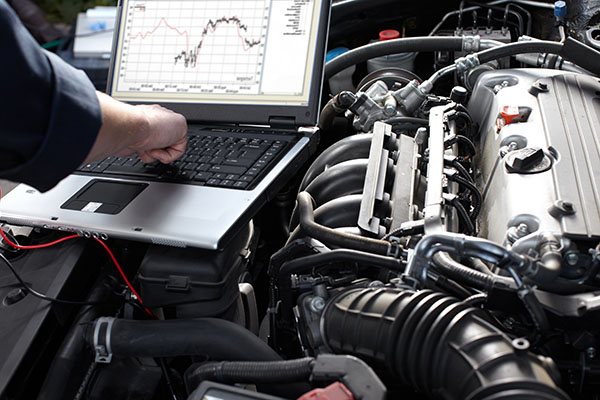
Taking your vehicle to the DMV only to discover it won’t pass inspection can be frustrating and inconvenient. A pre-inspection at Fox Run Auto can help identify potential problems beforehand, giving you an opportunity to make necessary repairs before heading to the Division of Motor Vehicles. Longtime customer Diane recently experienced firsthand how valuable professional inspection and repair services can be. “Fox Run Auto Service Center is the most honest, reliable, and affordable auto repair business in Delaware," Diane says. "All the personnel are friendly and knowledgeable. I was in a predicament at the Division of Motor Vehicles. My truck was towed to Fox Run Auto. One day later, my truck passed inspection due to Fox Auto’s expertise.”Fox Run Auto’s DMV pre-inspection service gives your vehicle a profession ... read more
Posted on 10/14/2026
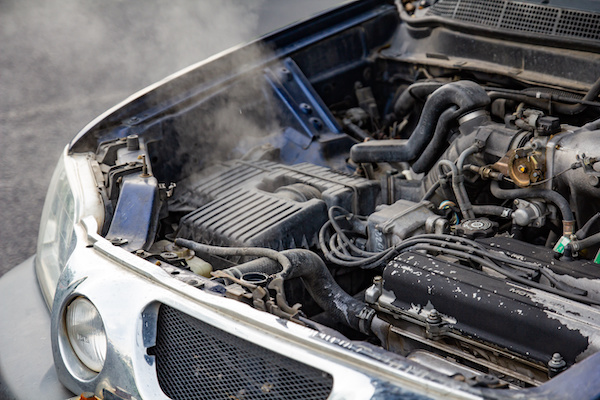
A chirping or squealing noise from under the hood can be easy to dismiss, especially if your vehicle otherwise seems to be running normally. However, these sounds often indicate wear or problems with the components that drive your engine’s accessories. Identifying the source early can help prevent a minor issue from becoming a breakdown. Worn or Damaged Belts The serpentine belt transfers engine power to accessories such as the alternator, power steering pump and air conditioning compressor on many vehicles. As the belt ages, it can become glazed, cracked or stretched. A worn belt may produce a high-pitched squeal, particularly during startup or acceleration. Contamination from leaking oil or coolant can also cause a belt to slip and make noise. Pulley Problems Your serpentine belt travels around several pulleys as the ... read more
Posted on 10/7/2026
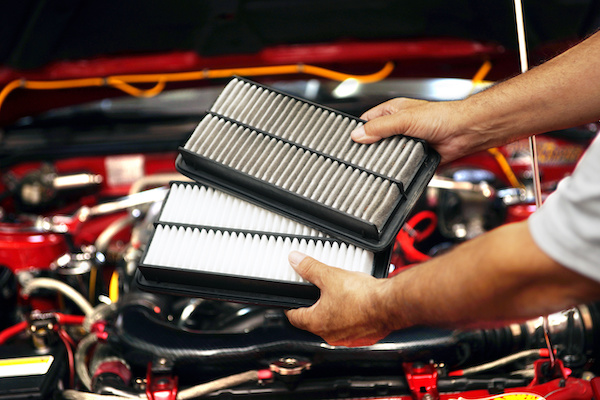
A vehicle with 100,000 miles on the odometer has different maintenance needs than one with 20,000 miles. As components age and accumulate mileage, normal wear becomes a bigger factor in reliability. Adjusting your maintenance routine accordingly can help you catch developing problems and get more dependable years from your vehicle. Fluids and Seals Deserve Closer AttentionFluids play an important role in lubricating, cooling and protecting systems throughout your vehicle. As mileage increases, staying current with oil, coolant, brake fluid, transmission fluid and other manufacturer-recommended services becomes increasingly important. Age can also take a toll on seals and gaskets. Rubber and other materials can harden, shrink or deteriorate, potentially allowing fluids to leak. A small s ... read more
Posted on 9/25/2026
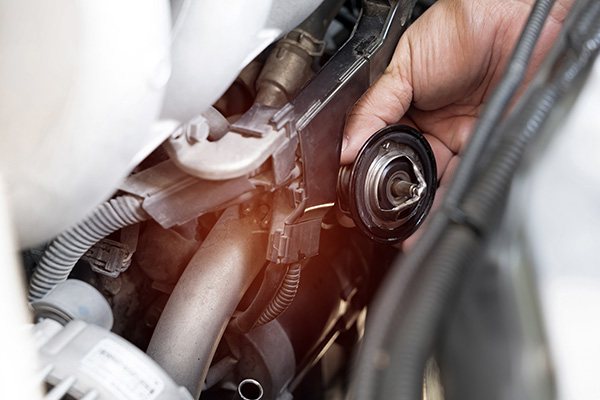
When the heater starts blowing lukewarm air on a cold morning, it is easy to assume the problem is somewhere inside the dashboard. Sometimes it is, but a thermostat stuck open can create the same complaint because the engine itself never gets hot enough to supply strong cabin heat. The clue is usually in what the temperature gauge does while you drive. If the engine warms very slowly, the gauge stays below its normal position, and the heater gets weaker at highway speed, the thermostat deserves close attention. A Stuck-Open Thermostat Lets Coolant Circulate Too Early The thermostat controls when coolant begins flowing through the radiator. When the engine is cold, it should stay closed so it can reach operating temperature quickly. If the thermostat sticks open, coolant circulates through the radiator as soon as the engine starts. The radiator keeps removing heat even while the engine is still warming up. You can drive for quite a while and still see the temperatur ... read more
Posted on 9/23/2026
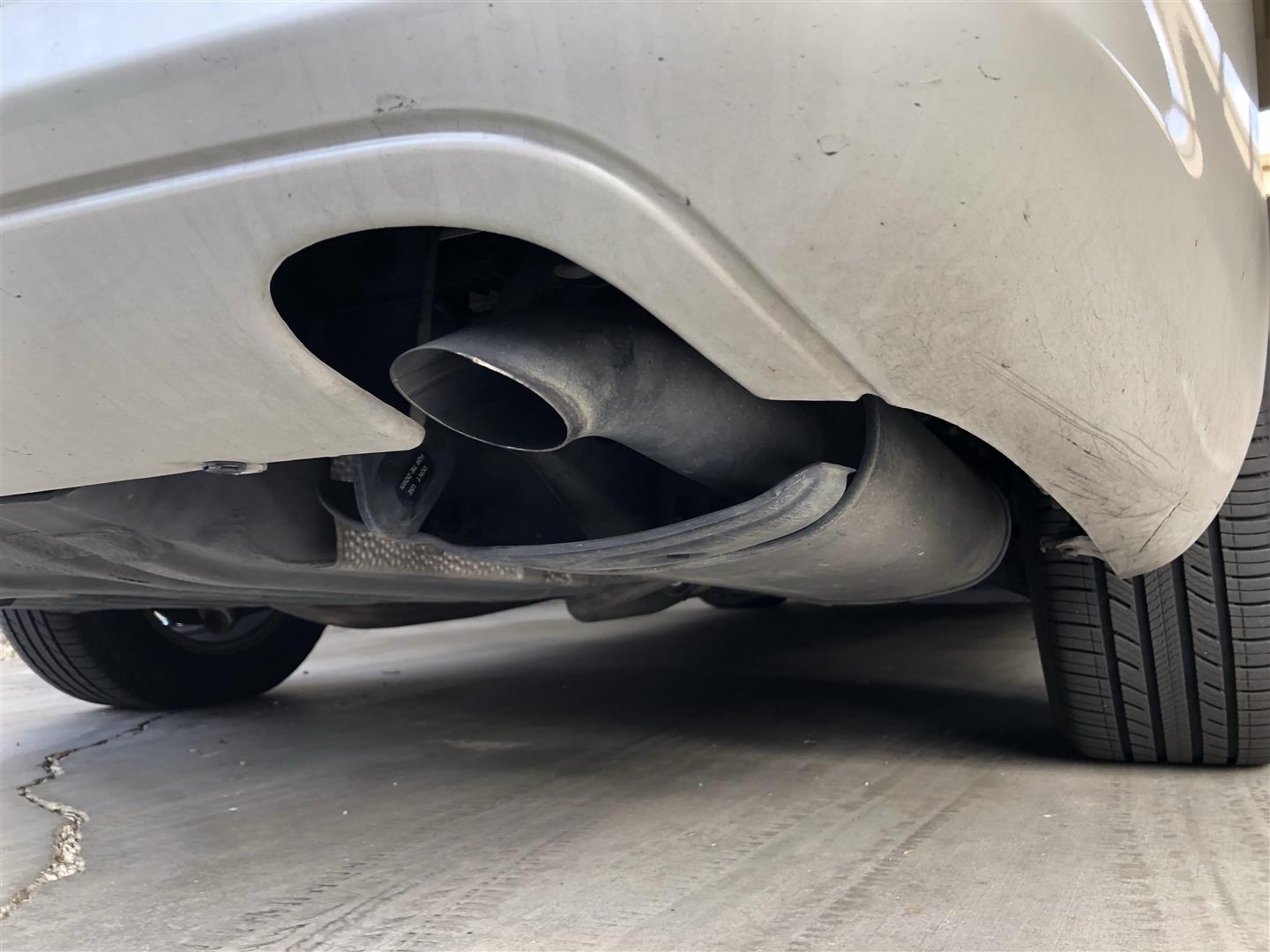
Most of the time, you probably don’t pay much attention to what comes out of your vehicle’s exhaust. But if you suddenly notice thick or unusually colored smoke, your car may be giving you an important clue about what’s happening under the hood. The color of the exhaust can help narrow down the potential problem, although a professional diagnosis is the best way to determine the actual cause. White Exhaust Smoke A small amount of thin white vapor when you first start your car can be completely normal, particularly on a cool morning. This is typically condensation in the exhaust system and should disappear as the vehicle warms up. Persistent, thick white smoke is different. It may indicate that coolant is entering the combustion chamber. Possible causes include a damaged head gasket or another internal ... read more