Posted on 11/25/2026
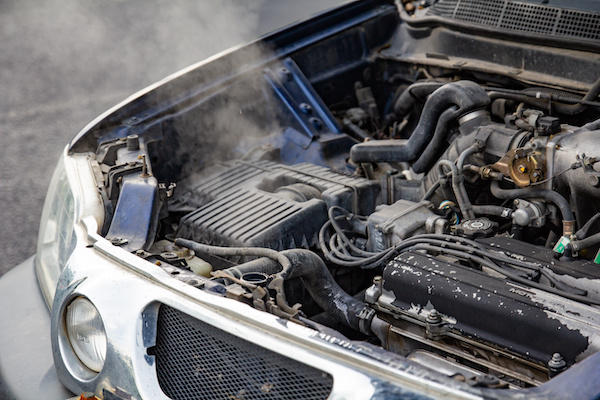
You park your car, turn off the ignition and step outside, only to hear a fan still running under the hood. While this might seem unusual, it's not necessarily a sign that something is wrong. Many modern vehicles are designed to keep their cooling fans operating briefly after the engine shuts down. However, a fan that runs excessively or behaves unpredictably may indicate a developing problem. When Continued Fan Operation Is Normal Your engine generates considerable heat during operation. Even after you turn it off, temperatures under the hood can temporarily rise because coolant is no longer circulating normally. Some vehicles use electric cooling fans that continue running after shutdown to help manage this residual heat. This is particularly common after driving in hot weather, sitting in traffic or operating the air conditioner. Dependin ... read more
Posted on 11/18/2026
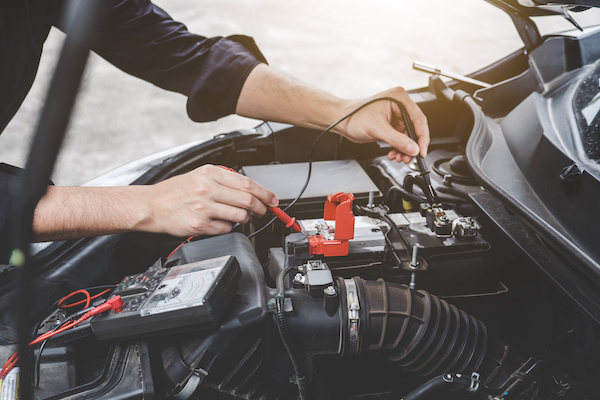
Few things are more frustrating than heading out in the morning only to discover your car won’t start. A dead battery can disrupt your entire day, especially when the real problem involves another component of your vehicle’s electrical system. Fox Run Autocustomer Chuck recently experienced this situation with his Hyundai Accent and shared how our team helped get him back on the road. “Our Accent was totally dead in the morning," Chuck says. "I jumped it and had the battery tested and they said the alternator was not working. So I called Fox Run Auto and they got me in right away.” While a dead battery is often the first suspect when a vehicle won’t start, the alternator may be responsible. The alternator generates electricity while the engine is running and recharges the battery. When an alternator fails, the ... read more
Posted on 11/11/2026
Your dashboard lights should remain consistently illuminated while you're driving. If they suddenly flicker, dim or change brightness unexpectedly, your vehicle may be experiencing an electrical problem. While the issue might seem minor, inconsistent dashboard illumination can sometimes be an early warning sign of a failing component. Understanding the possible causes can help you recognize when it's time for a professional inspection. Loose or Corroded Battery Connections Your vehicle's battery supplies electrical power for starting and helps stabilize the electrical system. If the battery terminals become loose or corroded, the connection may become inconsistent. This can cause dashboard lights to flicker, particularly when driving over bumps or operating electrical accessories. You might also experience difficulty starting your vehicle. A ... read more
Posted on 11/4/2026

Your car may perform perfectly well on flat roads but suddenly struggle when climbing a hill. You press the accelerator, yet the engine seems sluggish or has difficulty maintaining speed. This loss of power can indicate an underlying mechanical problem that becomes more noticeable when your engine is working harder. Understanding the possible causes can help you recognize when professional attention is needed. Fuel System Restrictions Your engine needs a consistent supply of fuel to produce power. A clogged fuel filter, weak fuel pump or malfunctioning fuel injector can restrict fuel delivery. While these problems may go unnoticed during normal driving, climbing a hill increases engine demand. If the fuel system cannot keep up, you may experience hesitation, sluggish acceleration or a noticeable loss of power. Ignition System Problems ... read more
Posted on 10/30/2026
The distance between fill-ups keeps shrinking, but your commute has not changed much. Is the car developing a fault, or are weather and traffic making it work harder? Poor fuel economy can come from either, and the pump bill alone cannot distinguish them. A mechanical or engine-control concern becomes more likely when the mileage change follows a clear symptom or remains unexplained across comparable trips. The inspection should connect your fuel-use records with the vehicle's operation. That gives the repair a stronger basis than choosing a sensor or maintenance package from an online list. Confirm the Fuel-Economy Change With Real Measurements Use miles driven and gallons added over several tanks, keeping the filling method consistent. Don't keep topping off after the pump's normal shutoff. Dashboard averages can help show a trend, but a recent reset or different mixture of trips can change their meaning. Compare similar conditions. More stop-and-go t ... read more