Posted on 11/1/2023
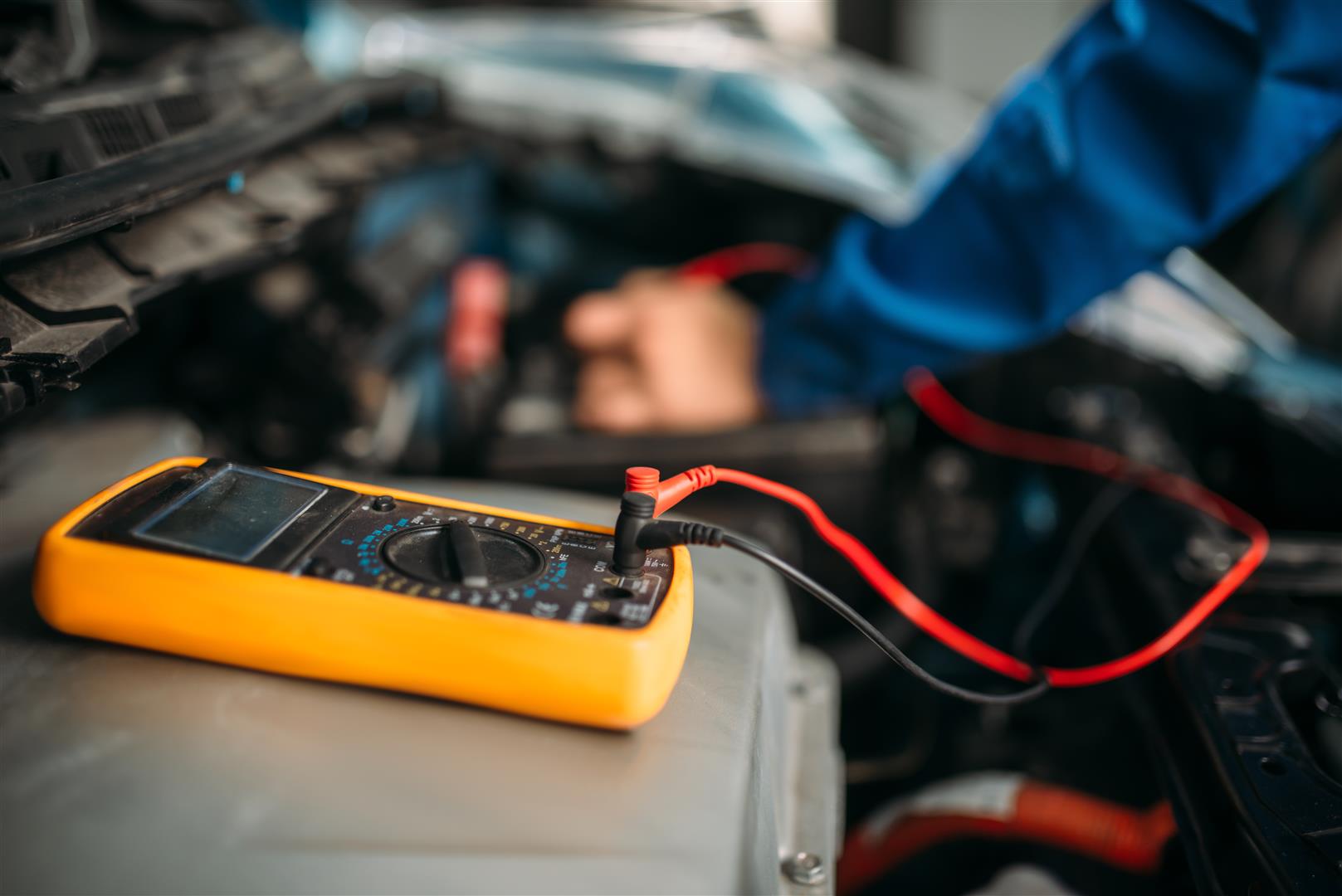
Tom & Trisha were noticing some electrical issues with their vehicle. They weren't sure what the problem was, but knew they should get it checked out as soon as possible. They decided to stop by Fox Run Auto to see if they could get the issues figured out. "We stopped in (without appointment) and they were able to accommodate me and get up and running quickly," Tom says. Though we can usually squeeze in walk-in customers at the shop, it is always recommended to call ahead if you can. Booking an appointment in advance is the best way to ensure that we can get your vehicle in the repair bay for a proper inspection and diagnostic testing. We understand you have a busy life and our goal is to make the process work within your schedule. We even offer after-hours drop-off and pick-up services if you aren't able to make ... read more
Posted on 10/28/2023

Imagine yourself cruising on the open road, feeling the wind in your hair, listening to some music, and your car running smoothly. However, as any experienced driver would attest, the road can be unpredictable. In a split second, you might find yourself in a situation where your reliable vehicle needs some extra assistance. Knowing when to request towing services can be a real lifesaver, both for you and your car. 1. Breakdowns Beyond Repair It's every driver's nightmare: your car sputters and coughs to a stop, refusing to go any further. If your vehicle has suffered severe mechanical damage, attempting to drive it further could lead to irreparable harm. In this situation, calling for a tow is the only way to avoid further damage and a potentially dangerous roadside situation. 2. Accidents and Collisions Accidents happen, and when they do, safety should be your top priority. If your vehicle has ... read more
Posted on 10/25/2023
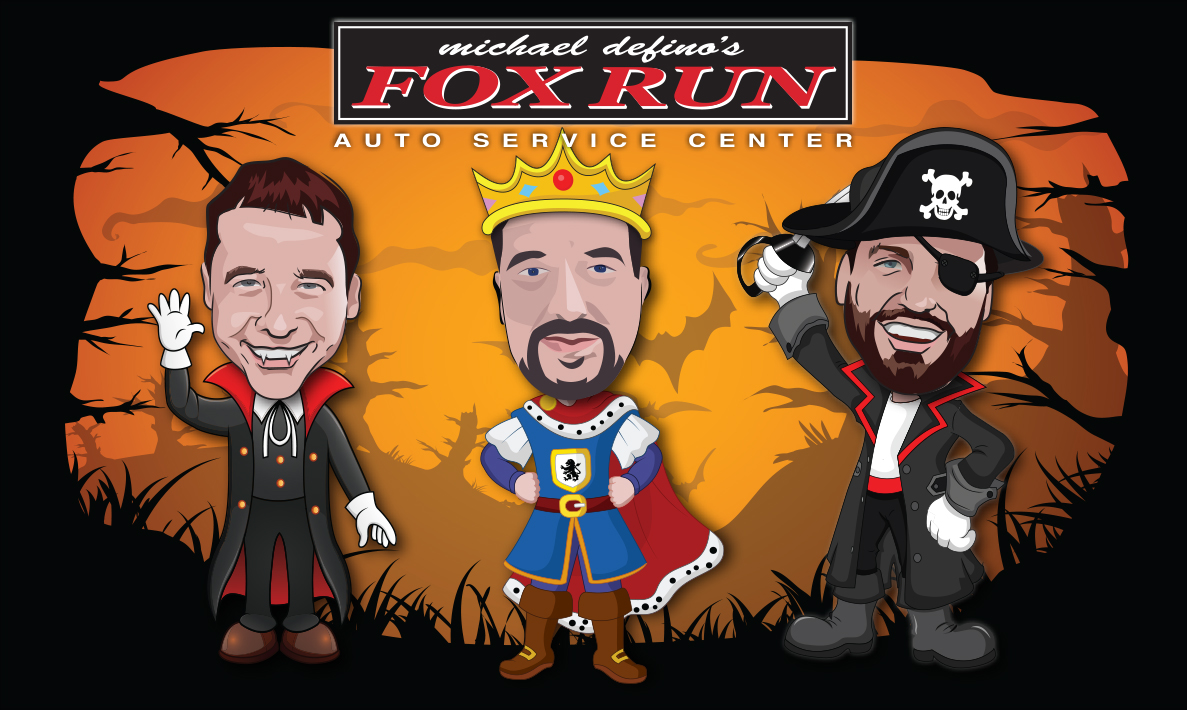
At Fox Run Auto, we absolutely love this time of year. The weather is starting to change. The Phils are in another great playoff run and the Eagles are off to a great start. The Flyers and Sixers are also just starting their seasons. We also enjoy the Halloween holiday. It is fun to dress up, indulge in some extra candy and enjoy spooky good times with friends and family. The fall season is also a good time for taking care of year automotive needs before the winter weather starts to hit. You may be due for a tune-up or other maintenance services. This is why we are offering these 2023 fall service specials at Fox Run Auto: Deluxe Oil Change for $34.95 Bring your vehicle in for one of our Deluxe Oil Changes at this excellent price. We'll drain your old oil, install a new oil filter and fill your car up with up to 5 q ... read more
Posted on 10/18/2023
Automotive maintenance is just like going to the dentist. It may seem like a hassle, but ultimately it is worth it. You can ensure your car has a clean bill of health and take preventative measures to keep it running well for many years to come. You depend on your teeth every day, which is why you go to the dentist. You also depend on your car every day. And that's why you don't want to ignore your auto care needs! Here are 5 of the best reasons you should keep up with your automotive maintenance schedule: 1. Long-Term Health Simple things like changing the oil, checking fluids and rotating the tire have lasting long-term effects on the health of your vehicle. You can keep it in good shape and reliable for as long as you own it. 2. Improved Performance Ever notice how much nicer it is to drive a car that is just coming out of maintenance? It feels renewed and refreshed. In ... read more
Posted on 10/11/2023

Though he’s been with us for almost a year now, Vincent Nesci (or just “Vinny”) is an integral part of the Fox Run Auto team. He is still considered one of the newer faces around the shop because we have so many longtime employees. Vinny is our Fleet & Warranty Service Advisor. He works directly with fleet accounts, warrantied repair coordination and general customer service. Vinny’s Role at Fox Run Auto Vinny helps oversee the service needs and requirements of customers and their vehicles. He works closely with our auto repair technicians to understand which repair and maintenance services are recommended. Then, he consults with our customers to provide them with the necessary guidance and support throughout the repair process. Vinny also coordinates with parts suppliers to make sure the correct parts are ordered and delivered on time. In addition, Vinny is our lead service advisor for warranties and fleet accounts. If y ... read more